


What Is CPT Code 99459 Used For?
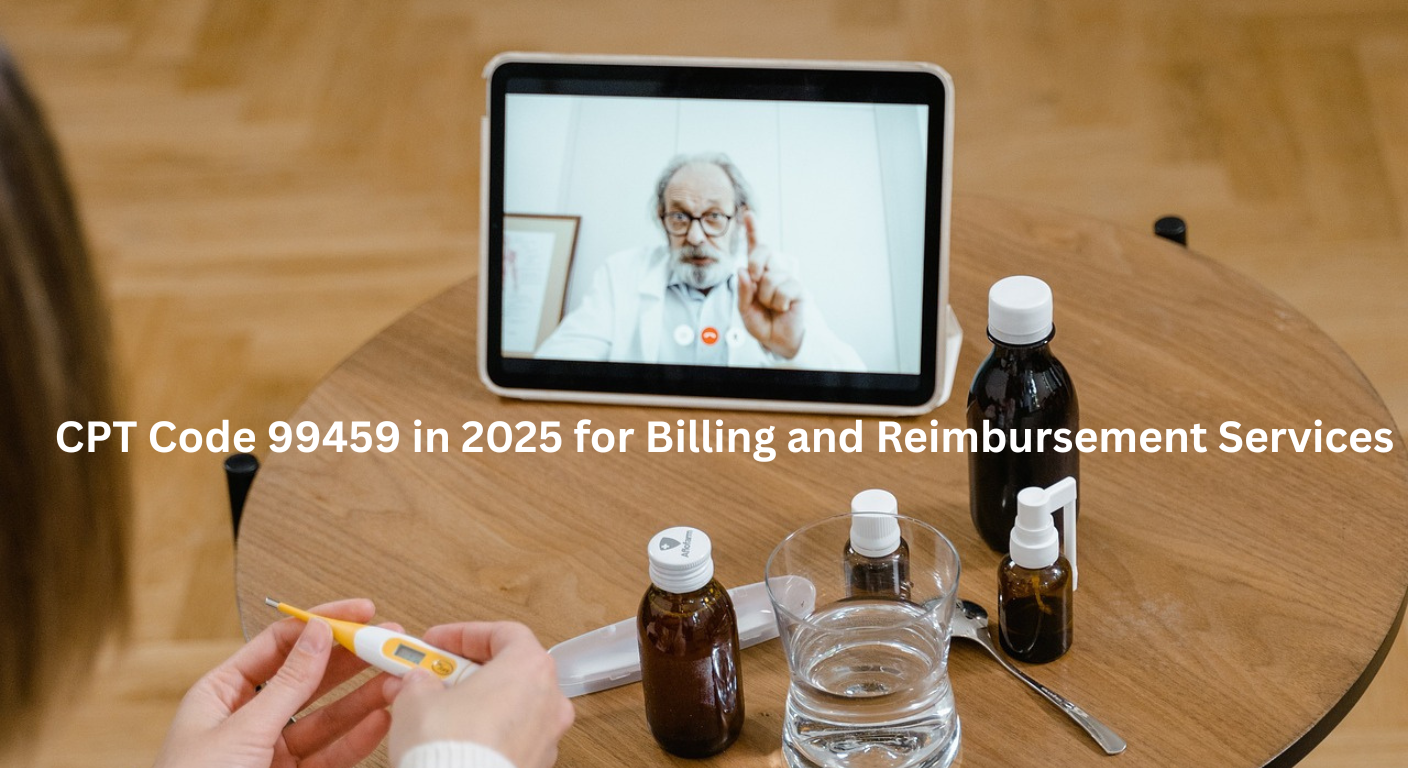
CPT Code 99459 is utilized when healthcare providers remotely monitor a patient’s health for 16 consecutive days out of every 30-day cycle – such as tracking blood pressure levels (for diabetics) and weight metrics such as these:
- Heart Rate and Beyond
- This code ensures providers receive proper compensation for the time and effort put forth reviewing patient data, creating care plans based on it, or offering advice derived from remote monitoring devices.
Who Needs Remote Monitoring with CPT 99459?
Remote monitoring utilizing CPT Code 99459 is typically utilized by patients suffering chronic illnesses or those in recovery after surgery who need close observation for some reason. Common scenarios might include:
- Chronic Conditions: Our focus here includes patients suffering from ongoing health conditions like diabetes, high blood pressure, heart disease, or chronic lung conditions.
- Post-Surgery: When recovering after surgeries where their recovery progress needs to be closely monitored without needing frequent in-person visits from providers.
- Preventative Care: Involves keeping track of at-risk patients to identify issues before they become serious and using remote monitoring to reduce in-office visits while still providing essential medical attention.
What Are My Billing Obligations Under CPT Code 99459?
Billing for CPT 99459 correctly can prevent reimbursement issues. Here are the key elements you should remember:
- Patient Consent: Before initiating remote monitoring services, ensure the patient agrees and documents their acceptance through consent forms.
- Monitor for at Least 16 Days to Qualify for CPT 99459 Billing: To qualify for billing CPT 99459, monitor a patient for 16 consecutive days within any 30-day period and keep an accurate record of these monitoring days.
- Data Tracking: This code applies to tracking key health metrics like blood pressure, weight, glucose levels, or any other relevant health metrics that you deem important – document which metrics were tracked during each tracking session.
- Review and Adjustment: It is important to keep in mind that CPT Code 99459 covers time spent reviewing patient information and adapting care plans – this goes far beyond simply collecting numbers–this entails actively overseeing health management decisions based on that information and making changes accordingly.
How Can Bill CPT Code 99459 Correctly
As follows are key tips to ensure smooth billing:
- Step One – Utilising ICD-10 Codes: When billing remote monitoring sessions for hypertension or diabetes use appropriate ICD-10 diagnosis codes. For example: For hypertension use “Essential Hypertension”. Likewise when billing remotely for diabetes monitoring use “Diabesity, Ndiabesis.”
- E11.9 (Type 2 Diabetes Mellitus, Unspecified)
- Track Monitoring Days: A patient must be monitored at least 16 times in 30 days in order to use CPT 99459. If monitoring does not fulfill this requirement, CPT 99459 cannot be utilized.
- Document the Health Data Tracked: On your medical documentation forms you will have to include: To protect privacy regulations you are also required to document each type of health data that was tracked during that period (i.e. blood tests conducted, hospital stays).
- How often data was reviewed and any changes implemented.
- Check for Additional Services: When providing other services such as in-person visits or phone consultations to a patient, code those separately if applicable if your payer requires this coding practice to occur separately from remote monitoring services. Some practices might combine remote monitoring services together; but always follow payer rules when billing.
2025 Updates for CPT 99459?
Here’s everything you should know about CPT Code 99459 in 2025, as well as any changes:
- Increased Acceptance: More insurers now recognize remote patient monitoring’s effectiveness for chronic disease management and postoperative care, making CPT 99459 an essential asset to any practice. More patients may qualify as well, making this CPT code even more of an asset than before!
- Bundled Payment Models for RPM: Some insurers now provide bundled payment models where reimbursement for remote monitoring (CPT 99459) includes care coordination or follow-up consultation services as part of its reimbursement package. It’s wise to inquire with your payer regarding such plans to see if any are applicable in your situation.
- Medicare Updates: Medicare’s coverage of remote monitoring services such as CPT 99459 has expanded significantly in 2025; as part of that expansion are changes that make reimbursement simpler; to stay abreast on this matter and ensure reimbursement, be sure to review any specific Medicare guidelines as applicable to RPM services providers.
- Telemedicine Integration: As telehealth continues to advance, remote monitoring is increasingly being combined with virtual visits for payment purposes – streamlining this process for both patients and providers alike. This could eventually include bundling remote monitoring with video consultation payments to streamline this process for everyone involved.
Conclusion
CPT Code 99459 plays an indispensable role in remote patient monitoring services. By properly documenting and billing for these services, healthcare providers are able to offer high-quality care without forcing patients into physical visits at regular intervals. To make sure that you’re billing correctly, always ensure the patient has given consent, tracked all required days of monitoring, and documented everything carefully. With 2025 updates coming into effect more patients may qualify for these services while practices will benefit from clearer reimbursement rules.
Staying ahead of your billing process and providing remote monitoring can be invaluable to both your practice and patients, helping improve health outcomes while making healthcare more accessible.